


















Mamdani and How He Reveals Our Broken Politics
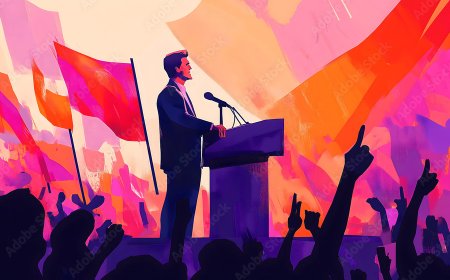
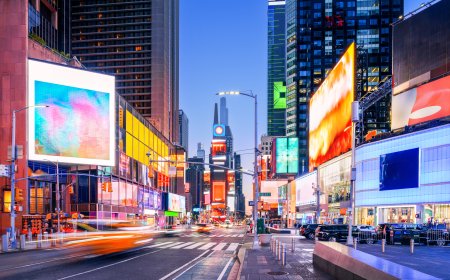
The sooner our politics and our voters align with this demand for structural change, the sooner Bangladesh's power structure reforms will begin their sustainable journey. Mamdani's victory kindles our hope that in the near future people-oriented politics will also shine in our land.
How an Unhealed Society Keeps Reproducing Discrimination
Ultimately, the effectiveness of any anti-discrimination law will depend not only on its clauses but on the political will to confront uncomfortable truths, reform abusive structures, and build a future in which neither static nor dynamic forms of discrimination can take root. Only then can Bangladesh move toward a truly just and rights-respecting society.
When the Joke's on Democracy: Bangladesh's War on Satire
Here's the test: Can our leaders take a joke? Can they handle criticism without reaching for handcuffs? Can they distinguish between dissent and disinformation? Because if they can't, we haven't replaced one authoritarian regime with democracy. We've just swapped the faces. And that's not funny at all.









Is the Judiciary in Bangladesh Truly Independent?
True judicial independence cannot rest on the discretion of one office, no matter how elevated.
Should Former IGP Mamun Walk?
Can an Approver still be an accused in the Hasina case? It is difficult to defend the proposition that a person who has been formally pardoned, can remain in law an accused for the same conduct.
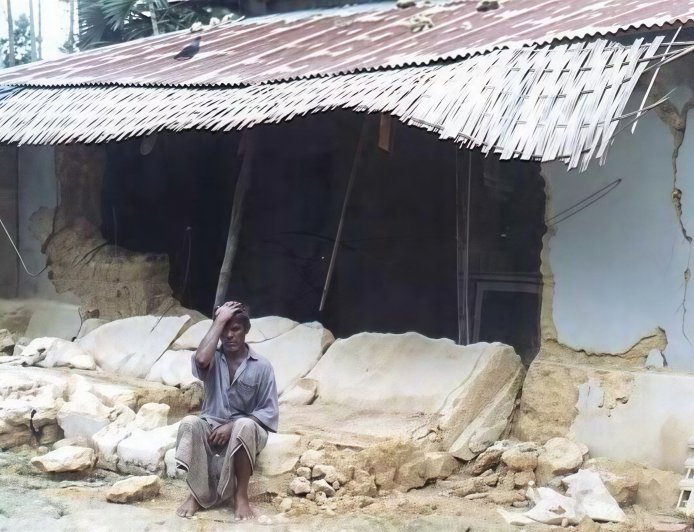
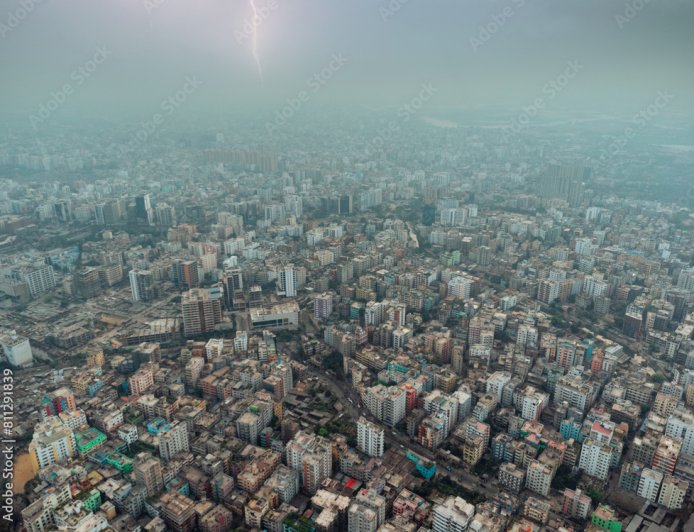
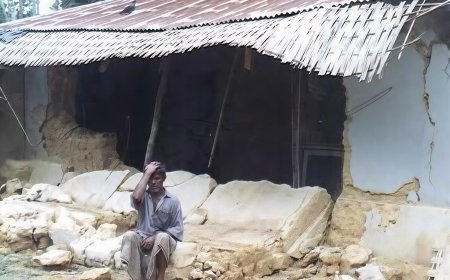
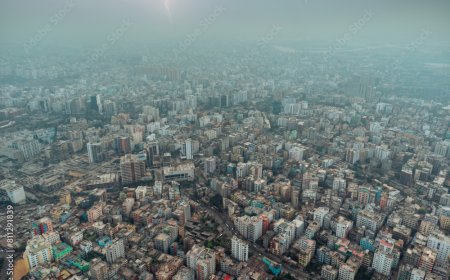
No, Dhaka Is Not At Risk of a 9.0 Earthquake That Would Liquefy the City
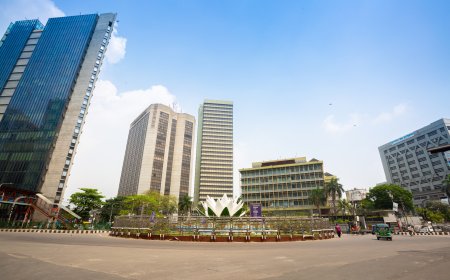
Dhaka’s earthquake threat lies in poor construction, not geology. We need to be concerned about and plan soberly for what would happen if a 6.0 quake hits instead of catastrophizing doomsday scenarios.









Mamdani and How He Reveals Our Broken Politics
The sooner our politics and our voters align with this demand for structural change, the sooner Bangladesh's power structure reforms will begin their sustainable journey. Mamdani's victory kindles our hope that in the near future people-oriented politics will also shine in our land.
No, the Reform Process is not Meaningless, and We Need to See it Through
It is unfortunate that most civil society organizations have failed to recognize that these reforms could open new pathways for them -- creating fresh opportunities to empower citizens and strengthen the accountability of state institutions, ultimately shaping their own future governance agenda.

Cometh the Hour
If Tarique wishes to be prime minister and lead this nation, as his mother and father did before him, then a time comes when he needs to step up and stand up, and show the nation that he too is made of the stuff of leaders. This is such a time.






What Can We Learn From Vietnam?
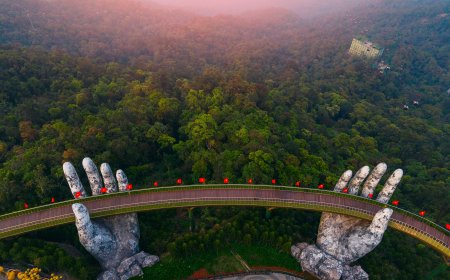
Keeping India and Pakistan as the main mirrors will always make Bangladesh look respectable. but adding Vietnam to the frame as a benchmark is more meaningful.
The Trillion Dollar Question
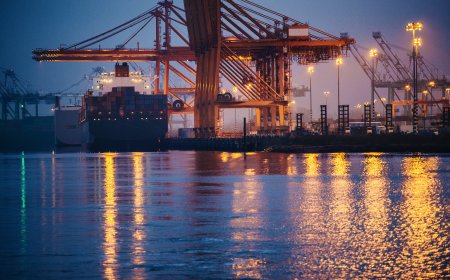
The development of Chittagong Port is more than just a project; it is the key to Bangladesh's next wave of economic growth. If we cannot raise the FDI-GDP ratio from 0.3% to 2.5%, the ambition of becoming a trillion-dollar economy will stay just a dream.
The Case for the DP World Deal
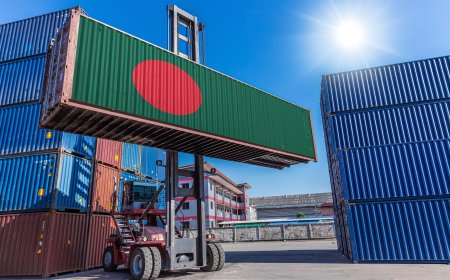
The reality in Chittagong is: three days at the outer anchorage, indefinite waiting inside the port for a berth, one week to discharge using small lighter vessels, discharge stops if the sea is rough -- all added up, instead of 2 days, in some cases it is taking 25 days.









How an Unhealed Society Keeps Reproducing Discrimination
Ultimately, the effectiveness of any anti-discrimination law will depend not only on its clauses but on the political will to confront uncomfortable truths, reform abusive structures, and build a future in which neither static nor dynamic forms of discrimination can take root. Only then can Bangladesh move toward a truly just and rights-respecting society.
When the Joke's on Democracy: Bangladesh's War on Satire
Here's the test: Can our leaders take a joke? Can they handle criticism without reaching for handcuffs? Can they distinguish between dissent and disinformation? Because if they can't, we haven't replaced one authoritarian regime with democracy. We've just swapped the faces. And that's not funny at all.

The Unheard Song: How Abul Sarkar's Arrest Reveals Bangladesh's Fractured Soul
The arrest of Baul singer Abul Sarkar exposes a deeper struggle over who gets to define Bangladesh’s cultural and religious identity, portraying a growing state-backed exclusion of syncretic and minority traditions from the national narrative.







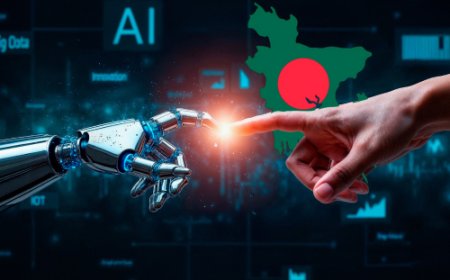
Will AI Fix Bangladesh’s Inequality or Automate It?
AI systems don't operate in a vacuum. They operate on people and amplify the society beneath them. That brings us to the uncomfortable question at the heart of Bangladesh's AI future: if we deploy these systems on top of our existing inequalities, do we fix them or automate them?

Bangladesh’s AI Policy Needs an Engine, Not Just a Map
A policy without execution mechanisms is not a plan. It is a press release.
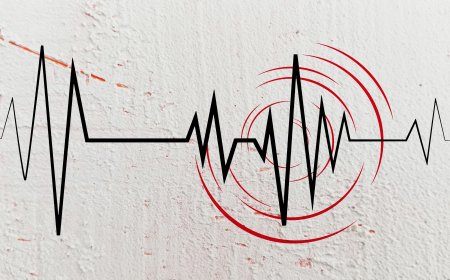
What Did the Dhaka Earthquake Mean?
The November 21 earthquake was unprecedented in our recent memory. What does this mean for the future of the city, how prepared are we, and what needs to be done now?